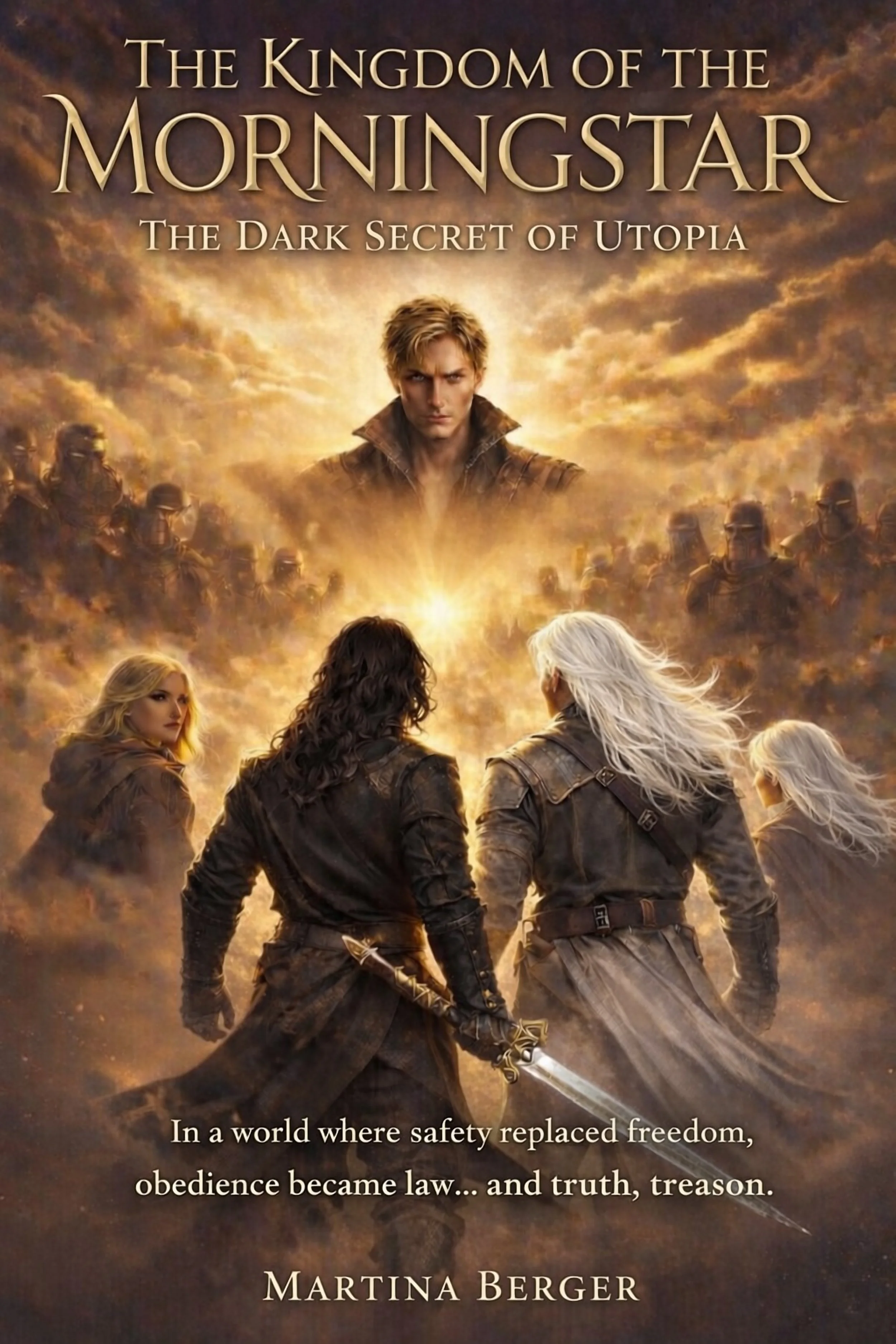
The Characters Behind the Emotions
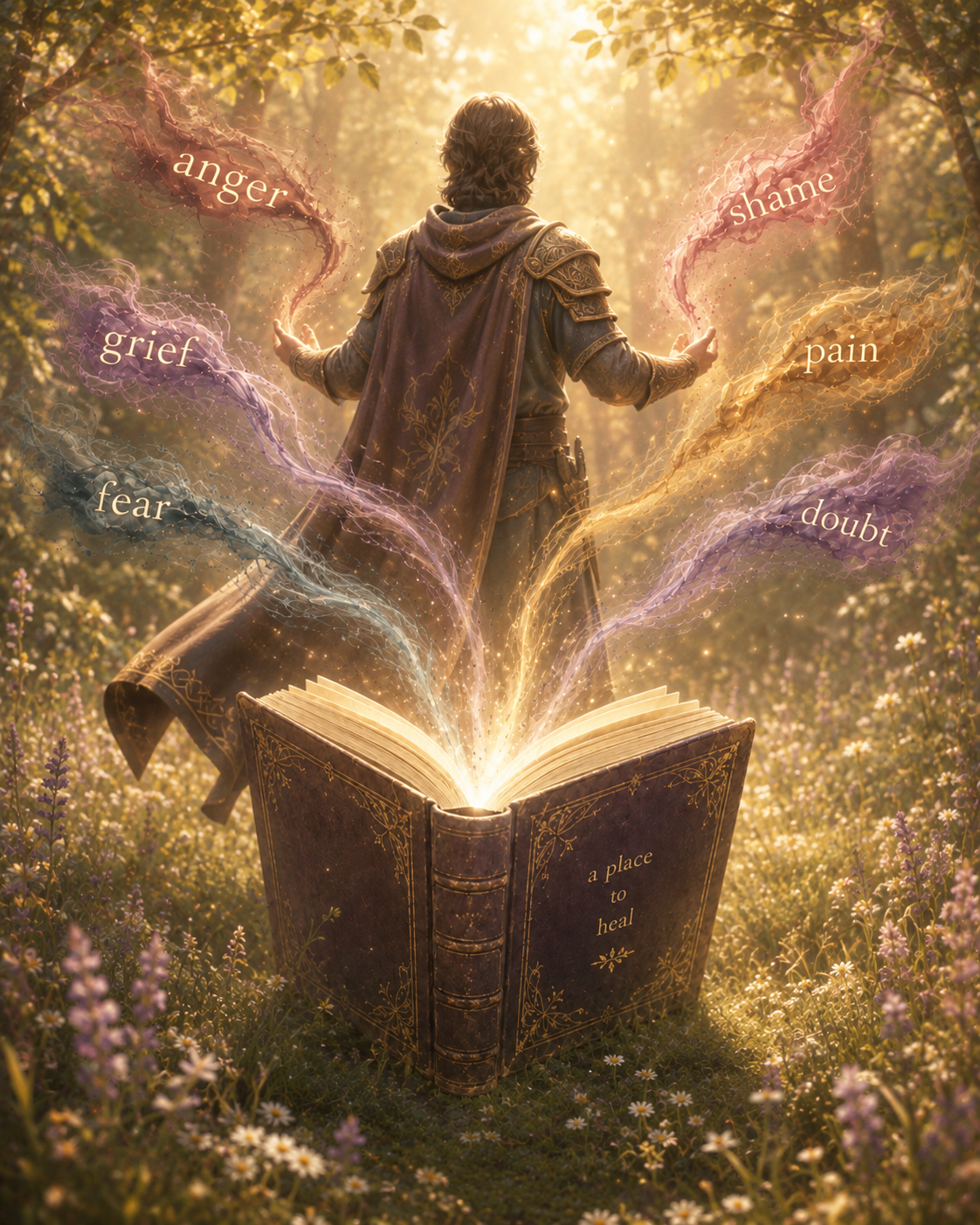
Forces Between Darkness and Light
Characters driven by vulnerability, fear, doubt, guilt, conflict, temptation, distrust, redemption
garderel - false security
Garderel is one of the most complicated characters in the book because his anger has real roots.
Abandoned as a child and later betrayed by his best friend and his wife, he has every reason to feel hurt. But pain does not automatically justify the choices we make because of it.
Revenge does not only keep us connected to the person who hurt us. It can also separate us from everyone who did not.
James - Denial
James is based on something very human: people can support an idea with good intentions when it promises fairness, security, and a better life, only to realize later that the same system may take away freedoms they once considered normal.
James helps Christantin build his society because he believes in it. He wants a world where nobody worries about food, housing, or security, and where the gap between rich and poor disappears. To him, it initially seems like a chance to build something better.
The problem is not the desire to improve people's lives; it begins when achieving that vision requires more and more control over the people themselves.
ella - integrity
Ella is Christantin's mistress, but I never considered her an evil character — she believes him, believes he is creating a better world, and because she believes in him, she becomes deeply invested in supporting him, helping him, pleasing him. Little by little she stops questioning what she is doing, and somewhere along the way she begins to lose herself.
Forces of evil
Characters driven by control, fear, manipulation, power, hatred, destruction.
rogers and patrick - cruelty
Throughout history—and still today—human beings have tortured, abused, humiliated, and murdered other human beings. We even experience cruelty around us, and sometimes we see others cheering it on or even celebrating terrible acts.
But nowadays, another form of cruelty has become increasingly visible: social media, where bullying, humiliation, and personal attacks can be observed every day. Behind a screen, people do not have to look into the eyes of the person they are hurting. They do not see their reaction. The other person becomes a profile, a username, an enemy.
Psychology suggests that cruelty becomes easier when empathy is weakened
THE CRIME LORDS —Lawlessness
When Victims Disappear from the Story
The crime lords grew partly from another fear I experienced during the COVID period: the feeling that victims no longer seemed to count, or that they were pushed into the shadows.
I understand the importance of asking why people commit crimes. Poverty, desperation, addiction, anger, and social circumstances can all influence human behavior, and understanding those factors can help us address the causes of crime. But understanding why someone commits a crime should never require us to forget the person who suffered because of it.
The Thevilde Family — Chaos
Power From the Background
The Thevilde family represents a different kind of danger because their power is not built only through open force, but through years of influence, money, connections, and carefully encouraged division, all directed by Tansa, who understands that control is often strongest when people do not realize who is shaping the events around them.
He is the person who seems wonderful when you meet him. Charming. Intelligent. Helpful. Trustworthy. But underneath that exterior is manipulation.
Tansa represents the people who benefit when everyone else is fighting—the people behind the scenes who understand that divided people are easier to control. He puts people into situation they feel emotions like guilt, and he seems to come to save them, but in reality, he comes to take them under his control.
He feeds anger. He encourages suspicion. He whispers into one person's ear and then another's. And eventually people who might otherwise have helped one another begin fighting each other instead.
Tansa — Manipulation
Christantin represents the kind of leader whose ideology sounds reasonable at first: safety, unity, equality, order. Underneath those promises, though, is something darker—the desire for power and control.
During COVID, I often found myself wondering: Who can you really trust? I was not only watching a public-health crisis unfold. I was watching governments, politicians, experts, the media, and ordinary people fight over who was right, who should be believed, and who should be allowed to decide what everyone else had to do.
Christantin — Power
Forces of Darkness
Charactersdriven by control, fear, manipulation, power, hatred, destruction.
Ella’s Parents
What Power Does to Ordinary People
Ella's parents are connected to the idea of status, but they represent something more: What happens when ordinary people who have never had power suddenly receive it?
One influence on this idea was the German film Die Welle (The Wave).
What made it even more fascinating was that the story was inspired by something that actually happened in California. In 1967, history teacher Ron Jones conducted an experiment called The Third Wave with his students at Cubberley High School in Palo Alto. He wanted to demonstrate how ordinary people could be drawn into a movement like the Nazi movement through discipline, unity, belonging, obedience, and a sense of shared purpose.
James's Wife — Status
I think most people have—or have had—someone like this in their lives. James’s wife represents people who build their lives around status, money, beauty, power, and what other people think of them. And this isn’t about women. Men do it too.
Some people marry for money. Some marry for status. Some choose the most beautiful partner because that person becomes another symbol of their success.
D-Soldiers - Followers
The D-Soldiers represent the followers and fanatics. In recent years it's become clear how many people don't understand what's happening but follow anyway — manipulated into serving a cause, or a person. Most aren't evil. They're ordinary people who've stopped thinking for themselves: afraid, seeking protection, wanting to belong, or simply following because everyone around them is.
Forces of Light
Characters driven by comapssion, loyalty, hope, love and strength
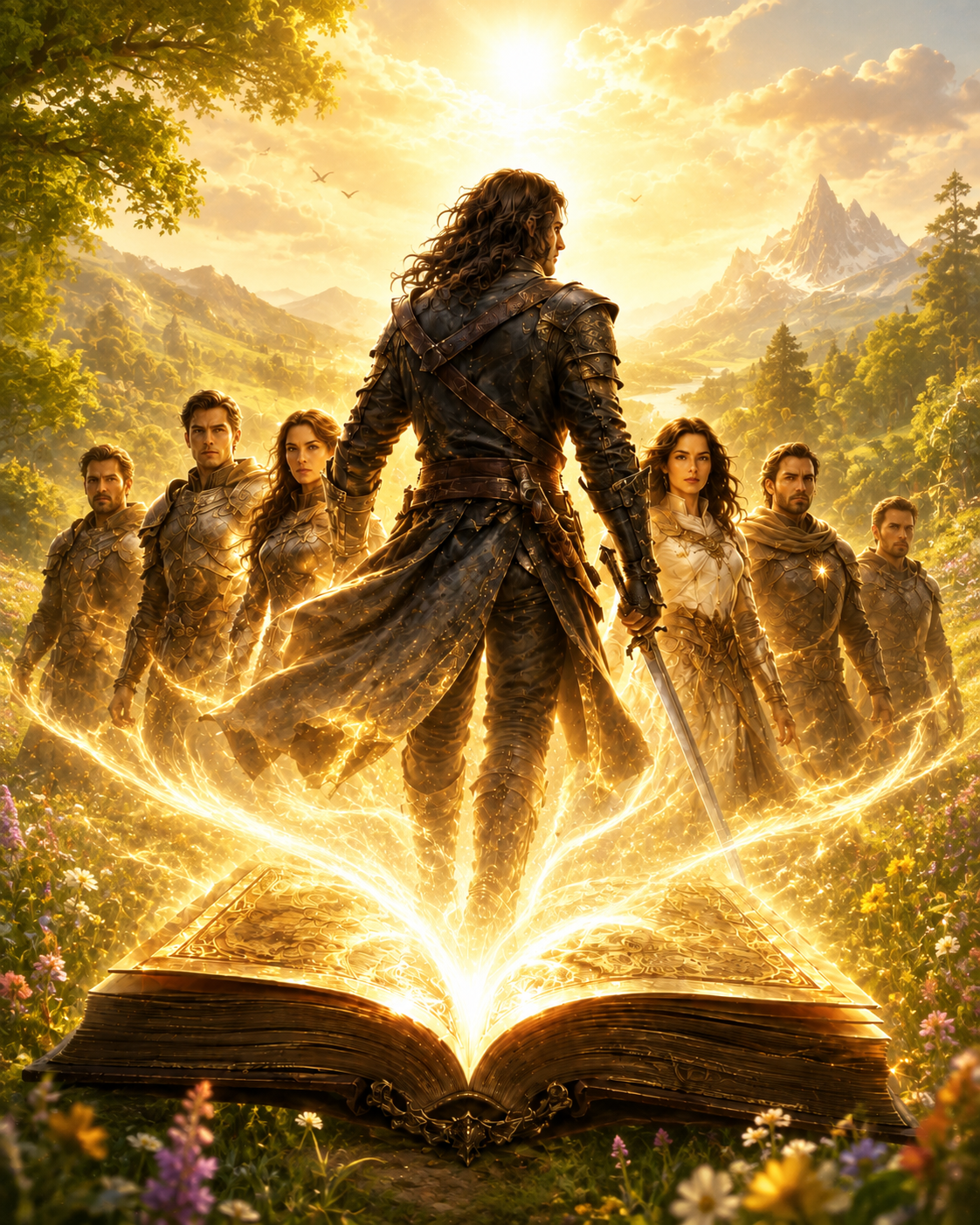
Jess - awakening
For me, it is important that privilege does not automatically make someone good or bad, just as poverty does not automatically make someone good or bad.
The circumstances we are born into do not determine our character.
Our choices do.
I think awakening often begins when we become willing to look beyond the world we personally know and question what everyone around us seems to accept.
erica - courage
Erica is one of my true heroes.
In a time when so many people would choose safety or comfort over doing what they believed was right, I wanted Erica to be different.
She knows the difference between what is safe and what is right—and when she has to choose between the two, she chooses what is right.
Ifer - Loyality and Darkness
Did you ever feel uneasy going int a room, and you did not know why, or you are in a good mood, and somebody is so negative that you become like that too?
That is Ifer in my story. He and Michael are very similar, but Ifer has spent so much time surrounded by suffering, guilt, anger, and despair, some of that darkness has affected him too.
Michael — Protection
Michael represents goodness and protection. I wrote the angels almost as guardians because, while I was writing the story, I needed that feeling myself.
COVID was frightening. The world felt uncertain. So I created a world where, even when everything becomes terrible, help can still appear.
Sometimes from where you expect it. Sometimes from somewhere completely unexpected.