
WRITING AS THERAPY
Putting the Chaos on the Page

I never planned to become a writer. I started because I had too much inside me — and needed somewhere to put what I couldn't carry alone.
Anger. Fear. Hope. Frustration. Obsession. Grief. Happiness. All the things that get bigger the longer they stay trapped in your head.
The page never judged me. It didn't interrupt, argue, or tell me I was overreacting.
The page never argues back. It just receives.
And in that receiving, something happens. Patterns surface. Shame loosens. Fog turns into insight. Somewhere between the first sentence and the last, I can see the emotion instead of just being consumed by it
My Life somehow became Thress books
Not because I dreamed of being an author. I was trying to understand myself.
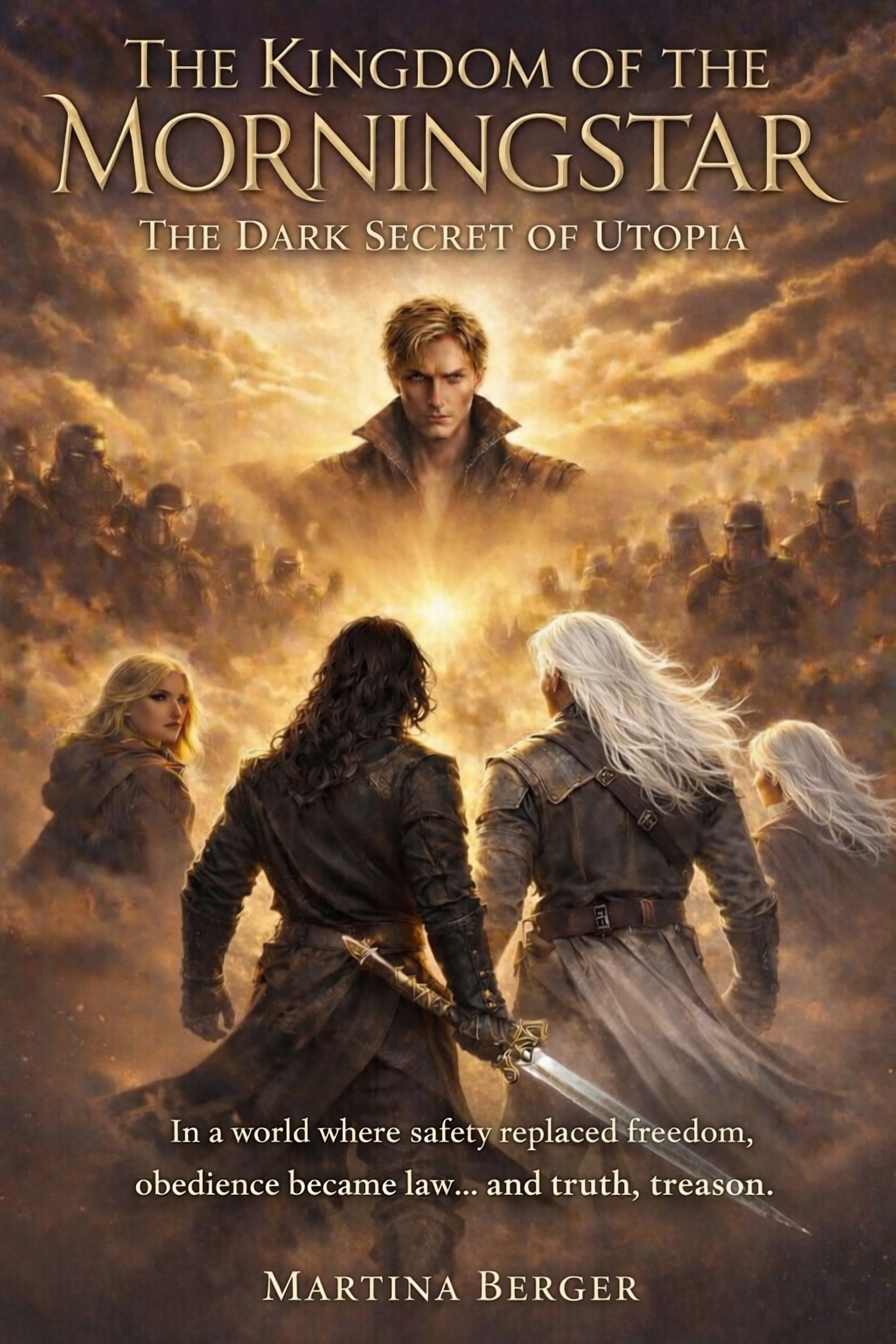
Kingdom of the Morningstar came first— written during COVID, when I barely recognized the world. I needed a hero, so I created one. I needed somewhere for darkness, fear, loyalty, and rage to exist, so they became characters. A friend finally pushed me to publish it.
Why writing is my way of healing
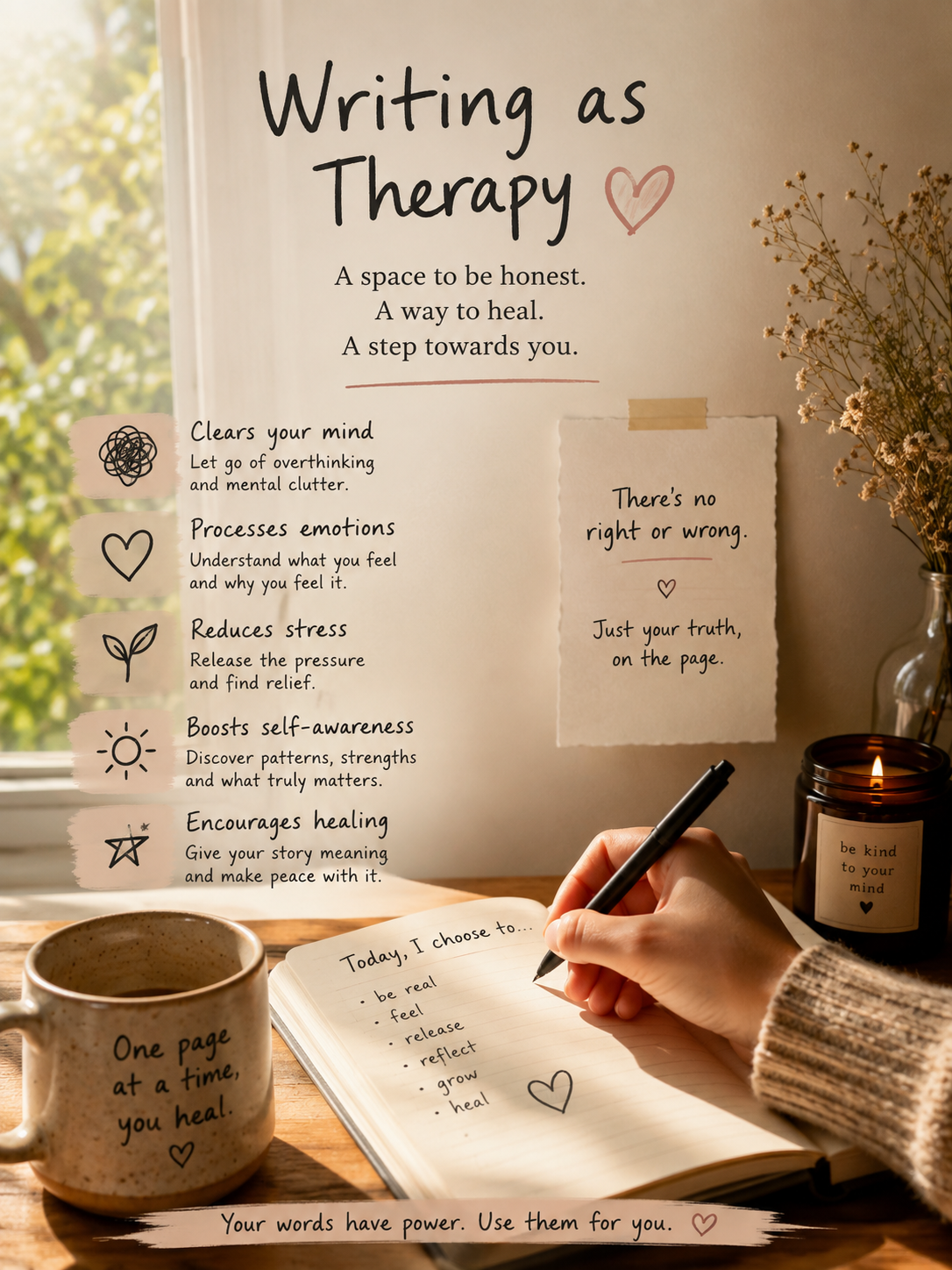
Writing creates a small space between feeling and reacting. Instead of immediately eating, exploding, or giving up, I can put the emotion somewhere first — and sometimes I discover a trigger, or a pattern, or finally understand why something hurt so much, and other things feels so good.
Track triggers without self-judgment
Celebrate wins the scale will never show
Process anger, grief, fear, or boredom before reacting
Recognize patterns hard to see in the moment
Reclaim your story, one honest sentence at a time
This pillar isn't about becoming a writer. It's about giving your inner world somewhere to go.
Write it. See it. Understand it. Then decide what to do with it.
Zepbound and I
Zepbound and I began as a weight-loss journal, but it quickly became much more than that, because one of the first questions I had to face was why I could not lose weight without Zepbound and why my brain seemed to fight me every step of the way, constantly reminding me to eat, while my body apparently had no memory whatsoever that it already had plenty of stored energy.
The medication helped me lose weight, and yes, it really did, but suddenly other problems entered the picture, including muscle loss, wrinkles, crepey skin, and the question of where all of this had suddenly come from, while my brain immediately found another argument against weight loss by telling me that maybe losing weight was not such a great idea if muscle loss and wrinkles were going to be the trophies waiting at the finish line.
But I lost 50 pounds, and that mattered too.
Zepbound changed my body, but writing about the journey helped me understand how powerful my thoughts can be, how quickly my mind can find reasons to resist change, and how complicated our relationship with our bodies can become even when we are succeeding.
The Last 13 Pounds came next, when the last 13 pounds become the last 23 pounds, and they just did not want to leave. That kind of frustration deserved its own book.