Christantin
Power
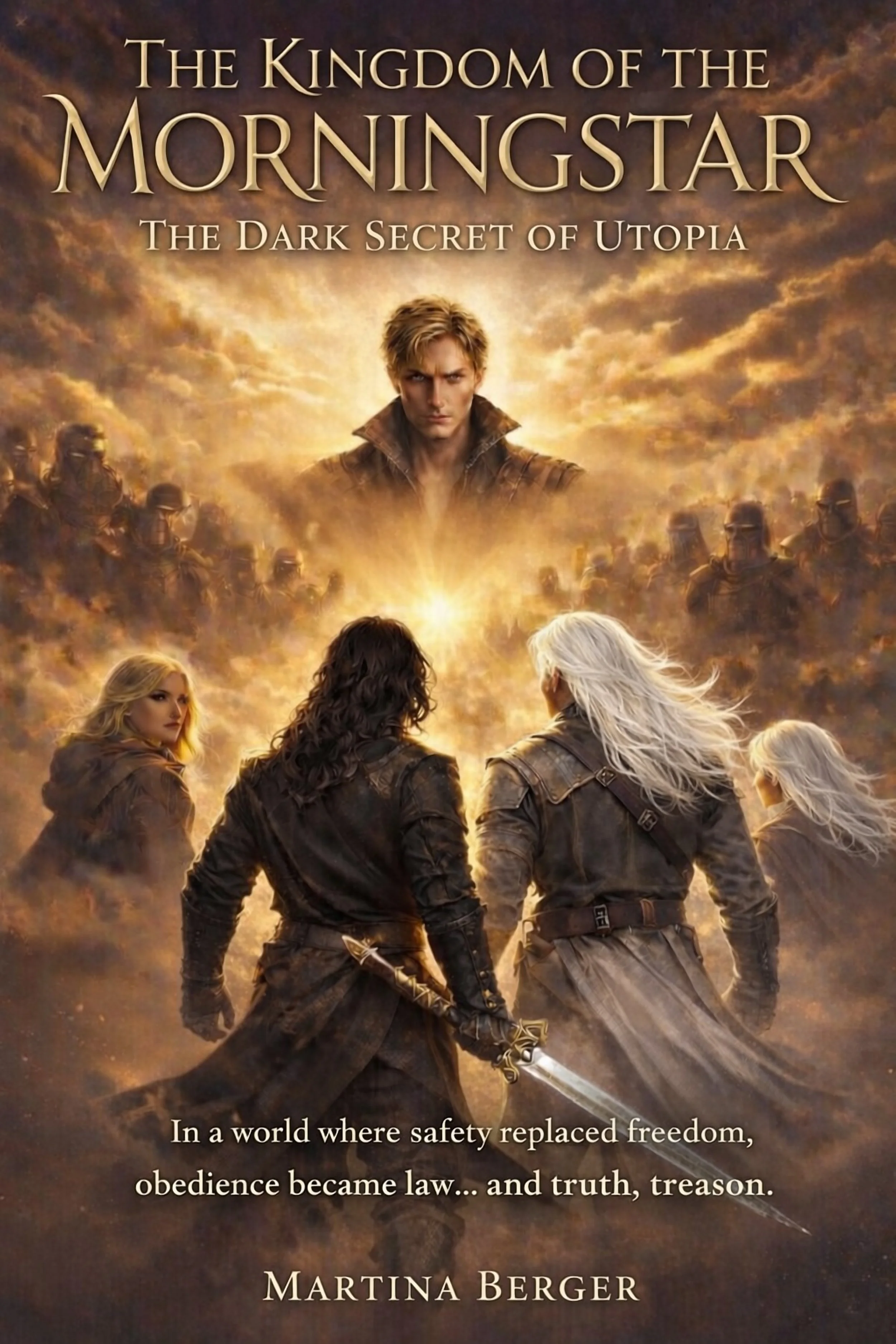
Christantin represents the kind of leader whose ideology sounds reasonable at first: safety, unity, equality, order. Underneath those promises, though, is something darker—the desire for power and control.
During COVID, I often found myself wondering: Who can you really trust? I was not only watching a public-health crisis unfold. I was watching governments, politicians, experts, the media, and ordinary people fight over who was right, who should be believed, and who should be allowed to decide what everyone else had to do.
The information seemed to change constantly. We need masks. We don't need masks. The virus can be contracted from surfaces. No, touching surfaces is not considered a major source of transmission. One politician says we should close the border while another strongly disagrees—only for them to change their positions a few months later and argue almost the opposite. I understood that science changes as new information becomes available. But emotionally, all these contradictions and changing positions created uncertainty, frustration, and distrust.
All of those experiences and emotions—the darker parts of what I was watching and feeling—became Christantin.
He represents the person who says, I know what is best for you. He promises safety, fairness, unity, and a better life. But little by little, those promises become reasons to demand obedience. And while he expects everyone else to follow the rules, he doesn't necessarily believe those same rules should apply to him.
He doesn't want discussion. He wants control.
What makes him dangerous is that he never presents himself as a villain. He presents control as protection, conformity as unity, and obedience as something done for the greater good.
That was one of the strongest emotions I wanted to put into Christantin: the fear that something presented as protection could slowly become something else entirely.
He doesn't truly want equality. He wants a version of utopia where everyone conforms and where he decides what is acceptable, what is true, and eventually even what people are allowed to believe.
His philosophy is simple:
Agree with me, or become the enemy.
Christantin became my way of expressing the distrust, anger, frustration, and uneasiness I felt during COVID—the fear that a promise of a better and safer world can become dangerous when one person, one government, or one ideology believes it should have the power to decide everything for everyone else.