
THE POWER OF BELIEF
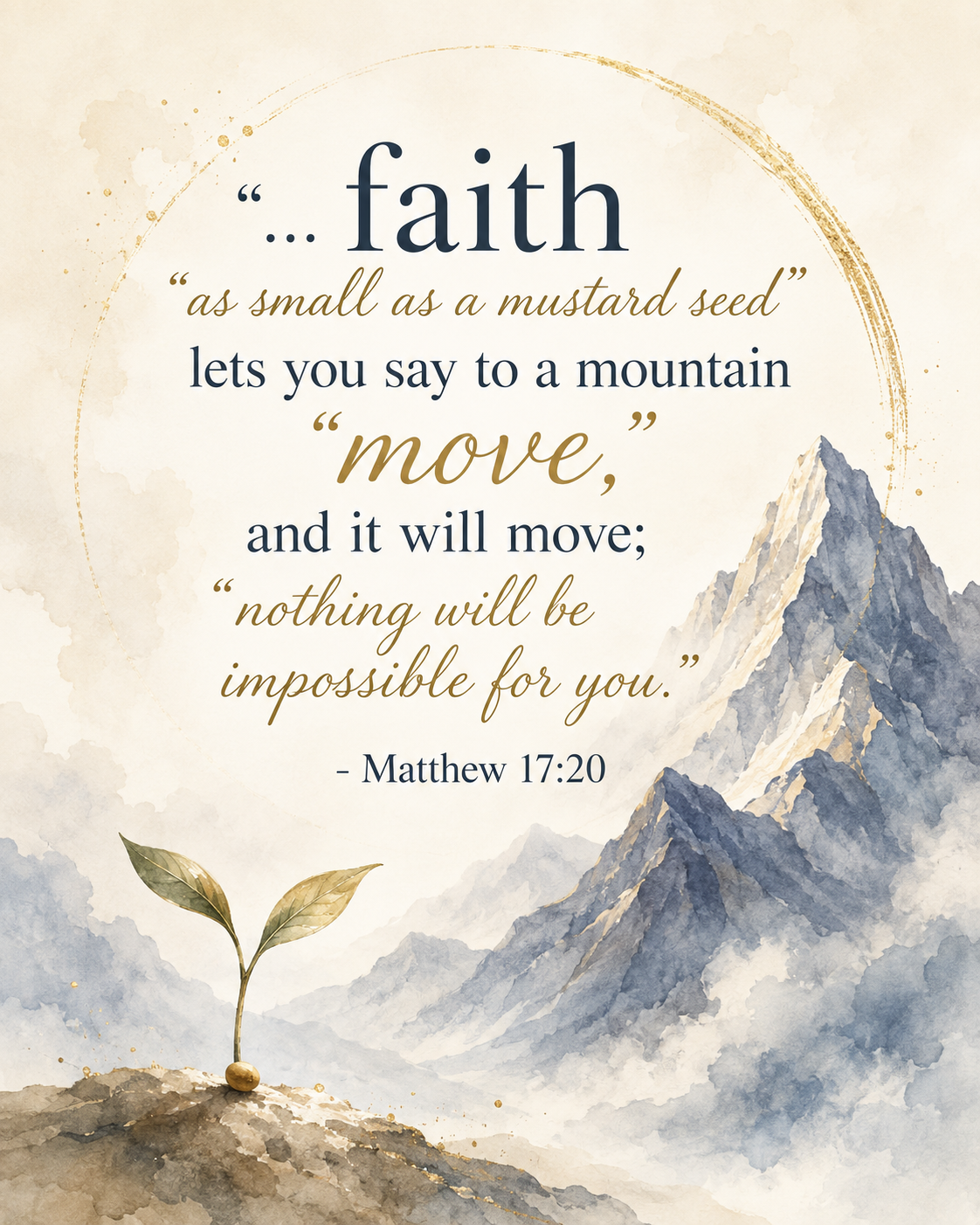
belief, faith and the PLACEBO Effect
I'm a scientist. And because of that, I've always been fascinated by something we still don't fully understand: the power of belief. In science, it's usually treated as something almost embarrassing — the PLACEBO EFFECT, the thing you have to control for, the annoying noise you subtract out before you get to the "real" result. Basically science's way of saying, "yeah, that doesn't count."
Sometimes that belief is religious. Sometimes spiritual. Sometimes it's simply believing in yourself, your body, or the wild possibility that things could actually get better. For me, faith has never been a straight line — I've had periods of deep belief and periods where I basically ghosted the whole idea. Doubt was never rebellion. It was curiosity. I just needed things to make sense, preferably with footnotes.
What fascinates me most is the placebo effect. It doesn't mean something is "fake" — it means expectation and belief can shape how we experience pain, stress, even our own bodies. Turns out the mind isn't just along for the ride; it's occasionally driving. Maybe what science labels noise is actually a signal we haven't figured out how to measure yet. And that made me think differently about faith too. Maybe the real question isn't only what you believe, but what happens inside you when you believe healing is possible — when I can't quietly becomes maybe I can.
You don't need religion to believe in yourself, and you definitely don't need to define spirituality the way I do. I still approach faith like a scientist — with curiosity, skepticism, and way too many questions. Science doesn't have to compete with belief. For me, the two just sit at the same table, occasionally arguing over the check.
You don't have to believe what I believe. Just don't underestimate the power of believing that change is possible.